Expert Knee Pain Treatment At The Osteopathy Clinic
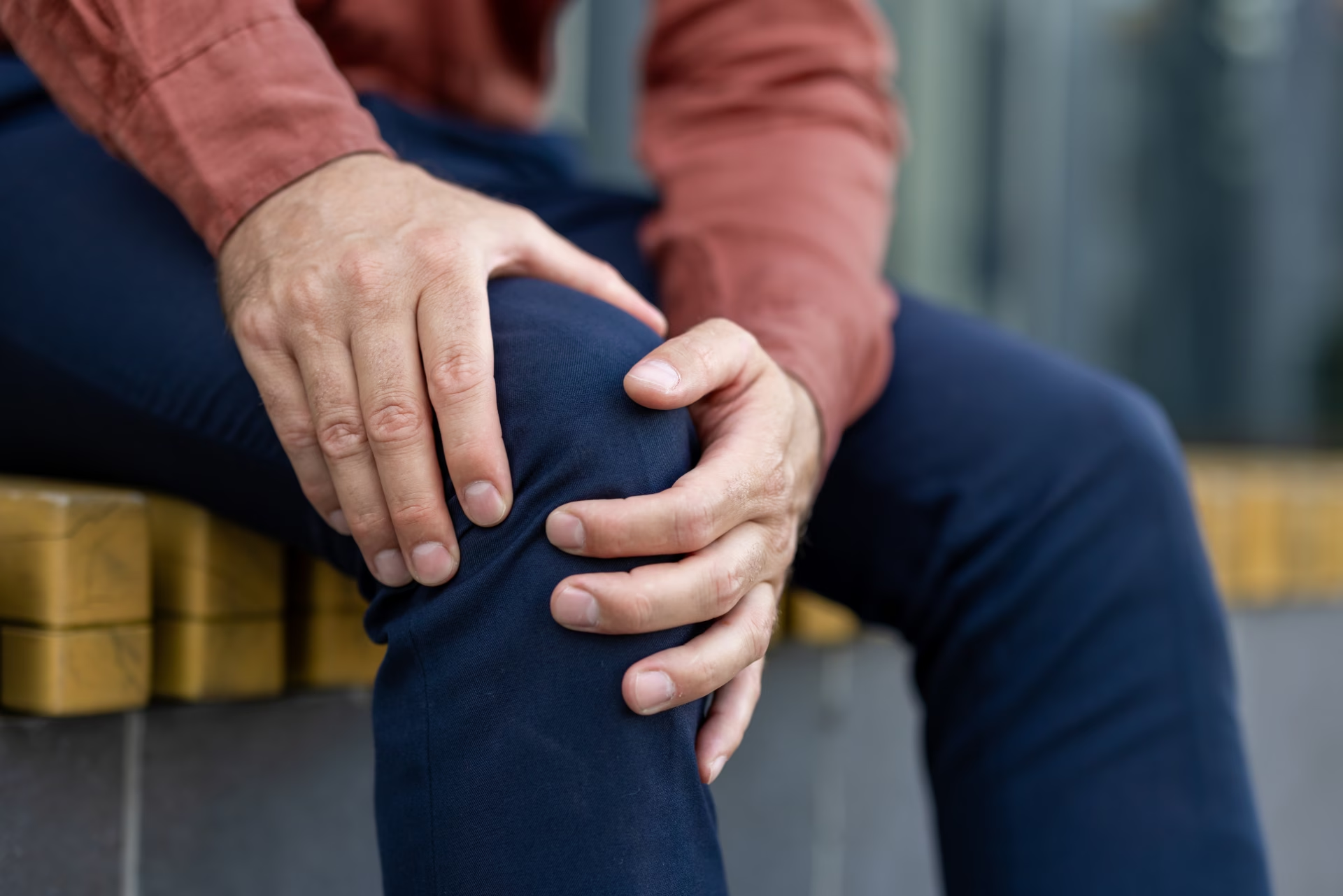
Knee pain is discomfort that can occur in or around the knee joint, often caused by irritation, injury, overuse, or age-related changes. It may feel sharp, aching, stiff, or swollen and can affect daily activities like walking, bending, or climbing stairs. Knee pain can come from the joint itself or from the muscles, tendons, or ligaments that support it. It can also come about from poor foot mechanics, fallen arches or other foot related issues.
Osteopathy looks at the body as a whole, not just the painful area. So if you come in with knee pain, the goal isn’t only to treat the knee itself, but to understand why it’s struggling and what’s contributing to the problem. When treating the knee at our clinic we often use other modalities in conjunction with osteopathy, such as K-Laser, dry needling, gait analysis and specific corrective exercises.
Reducing Pain and Inflammation
Osteopathic techniques such as gentle joint mobilisation, soft-tissue work, and stretching can help:
- Ease muscle tension around the knee
- Improve fluid movement in the area
- Reduce irritation and discomfort
This helps the knee feel less stiff and more comfortable.
Improving Joint Mobility
Knee pain often comes with reduced movement. By working on the knee joint and surrounding tissues, osteopathy can:
- Increase your range of motion
- Make walking, bending, or climbing stairs easier
- Help the knee move more smoothly and naturally
Addressing the Root Cause
Knee pain is often linked to other parts of the body. Osteopathy considers the whole picture and may look at:
- Hip tightness or weakness
- Ankle or foot mechanics (e.g., flat feet)
- Pelvic alignment
- Gait and posture
Correcting these imbalances can reduce the load on the knee and prevent the pain from returning.
Supporting Healing After Injury
If the pain is due to a strain, sprain, tendon irritation, or overuse, osteopathic treatment can help promote better tissue healing by improving circulation and reducing compensatory patterns.
Strength and Rehabilitation Advice
Osteopaths also provide personalised exercises to:
- Strengthen the muscles that support the knee (quads, hamstrings, hips)
- Improve balance and stability
- Prevent future flare-ups
This helps rebuild confidence and function.
Overall
Osteopathy and adjunct therapies aim to reduce pain, restore movement, and address the underlying causes of knee dysfunction — helping your patient get back to daily activities, work, or sport with greater ease and comfort.